9 Warning Signs Your Gosnells Roof Needs Urgent Repairs
A roof problem can start with a small stain or a loose tile, then become much more expensive when the next storm arrives. In Gosnells, Perth’s hot, dry summers and wet, windy winters put roofing materials, flashings and drainage systems under regular stress.
Knowing what to look for helps you arrange repairs before water damages insulation, ceilings or structural timber. Check your roof from ground level wherever possible; climbing onto a damaged roof creates a serious fall risk.
1. Water Drips or Fresh Ceiling Stains
Dripping water, growing brown marks and damp patches on ceilings or walls are clear reasons to arrange a prompt roof inspection. Water can travel along framing before appearing indoors, so the leak may not sit directly above the stain.
If water is near lights, power points or wiring, keep clear and contact a licensed electrician. Catch drips only where it is safe, move belongings away and have a roofing professional investigate the entry point.
2. A Sagging Roofline or Bulging Ceiling
A roofline that visibly dips may indicate deteriorated framing, excessive loading or another structural problem. A bulging ceiling can mean water is collecting above the plasterboard, creating a risk of collapse.
Keep everyone out of the affected area and seek urgent professional assistance. Do not enter the roof space, stand beneath the bulge or try to puncture it. Call 000 if there is immediate danger to life.

3. Broken, Slipped or Missing Roof Tiles
Cracked or displaced tiles leave sections of a tiled roof more vulnerable to wind-driven rain. Look from the ground for gaps, uneven rows and tile fragments around the property, especially after strong winds.
Arrange prompt attention if damage exposes the roof beneath or rain is forecast. A roofer can replace damaged tiles and inspect nearby battens, fixings and any underlay. Avoid walking on tiles yourself, as this can cause further breakage.
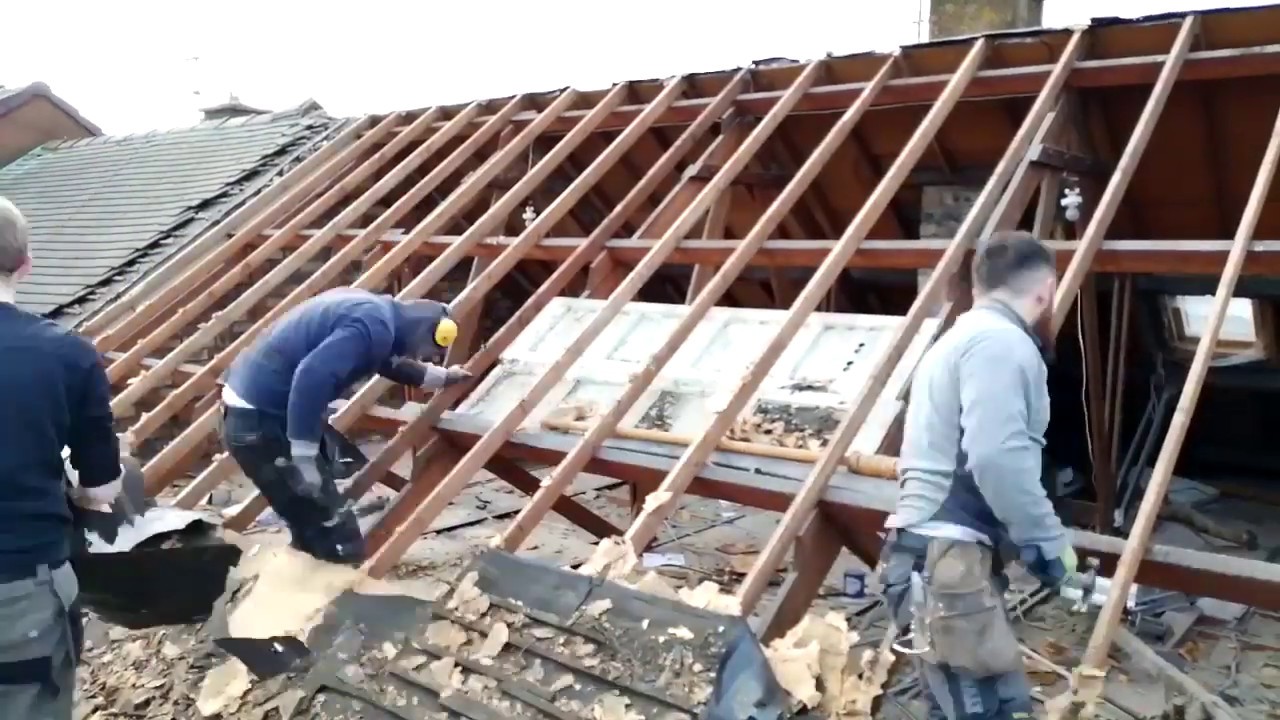
4. Loose Metal Sheets or Persistent Rattling
A new rattling, banging or flapping sound during windy weather can indicate loose metal roofing, flashings or fixings. Lifting sheet edges are particularly concerning because wind can catch beneath them and worsen the damage.
Keep people away from areas beneath loose roofing and organise an https://fernandonfmj262.clearhavendigest.com/posts/a-buyer-x27-s-guide-to-roof-checks-before-purchasing-a-home urgent inspection. Repairs should address the fixings and their supporting material, rather than simply adding sealant over the problem.
5. Rust Holes or Deteriorated Roof Fasteners
Surface discolouration does not always mean a metal roof needs immediate replacement. However, visible holes, severe corrosion, loose screws and perished sealing washers can allow water into the roof assembly.
A roofing professional can assess whether local repairs or sheet replacement are appropriate. Compatible metals and suitable fixings matter: incorrect material combinations can accelerate corrosion. Roof paint alone does not repair perforated sheets.

6. Damaged Flashing Around Roof Junctions
Flashing helps keep water out where roofing meets walls, chimneys, skylights and other penetrations. Lifted edges, gaps, corrosion or recurring leaks around these junctions warrant prompt investigation.
Gosnells homes experience substantial seasonal temperature changes, which cause roofing components to expand and contract. Failed sealant may be a symptom of movement or poorly detailed flashing. A durable repair needs to address the underlying defect, not just cover it.
7. Overflowing Gutters or Blocked Roof Valleys
Gutters spilling during rain, water backing up beneath roof edges and debris collecting in valleys all deserve attention. Valleys carry water between roof slopes, so blockages can direct substantial runoff into the roof.
Leaves and twigs can accumulate around nearby trees, particularly after windy weather. Arrange safe clearing and an inspection of downpipes, valley metal and gutter condition. Persistent overflow may also indicate drainage capacity or alignment problems, rather than a blockage alone.
8. Loose Ridge Caps or Missing Bedding Mortar
On tiled roofs, ridge caps cover the roof’s upper junctions. Missing mortar, displaced caps or visibly separated pointing can leave these areas vulnerable to water entry and wind damage.
Fine surface cracks do not always indicate an emergency, but loose or shifted ridge caps need prompt assessment. Depending on their condition, repairs may involve rebedding, repointing or replacing damaged components. Applying fresh pointing over unstable bedding is not a reliable solution.
9. Persistent Dampness, Mould or Musty Smells
A musty smell, recurring mould or damp insulation can signal a concealed roof leak. These symptoms can also result from condensation, inadequate ventilation or plumbing faults, so identifying the source is essential.
Arrange an inspection if dampness returns after cleaning, worsens following rain or accompanies ceiling staining. Do not enter an unfamiliar roof space yourself; electrical hazards, fragile ceiling surfaces and concealed damage can make access unsafe.
What to Do When You Notice Roof Damage
The right response depends on the severity of the problem. Active leaks, loose roofing and signs of structural movement deserve priority over cosmetic wear.
- Stay safe: Keep clear of damaged ceilings, loose materials and wet electrical fittings.
- Record the damage: Take photographs from safe locations and note whether symptoms appear during rain or wind.
- Arrange an assessment: Request a written scope identifying the cause, proposed repairs and any temporary weatherproofing.
- Check insurance requirements: Contact your insurer promptly if storm damage may be involved, while taking reasonable, safe steps to prevent further loss.
For storm assistance in Western Australia, contact the SES on 132 500. Call 000 for a life-threatening emergency.
Arrange Roof Repairs Before Damage Spreads
Not every ageing roof needs replacement, but warning signs should not be ignored. A qualified roofing professional servicing Gosnells can distinguish routine maintenance from urgent repairs and explain the options. Avoid pressure washing, drilling or disturbing older roofing that may contain asbestos; have suspect materials assessed before work begins.
Acting early on leaks, loose materials and drainage problems helps protect your home and reduces the chance of more extensive damage during Perth’s next heavy rainfall.
Gosnells Roof Restoration
WA, 6110
(08) 6109 9623